

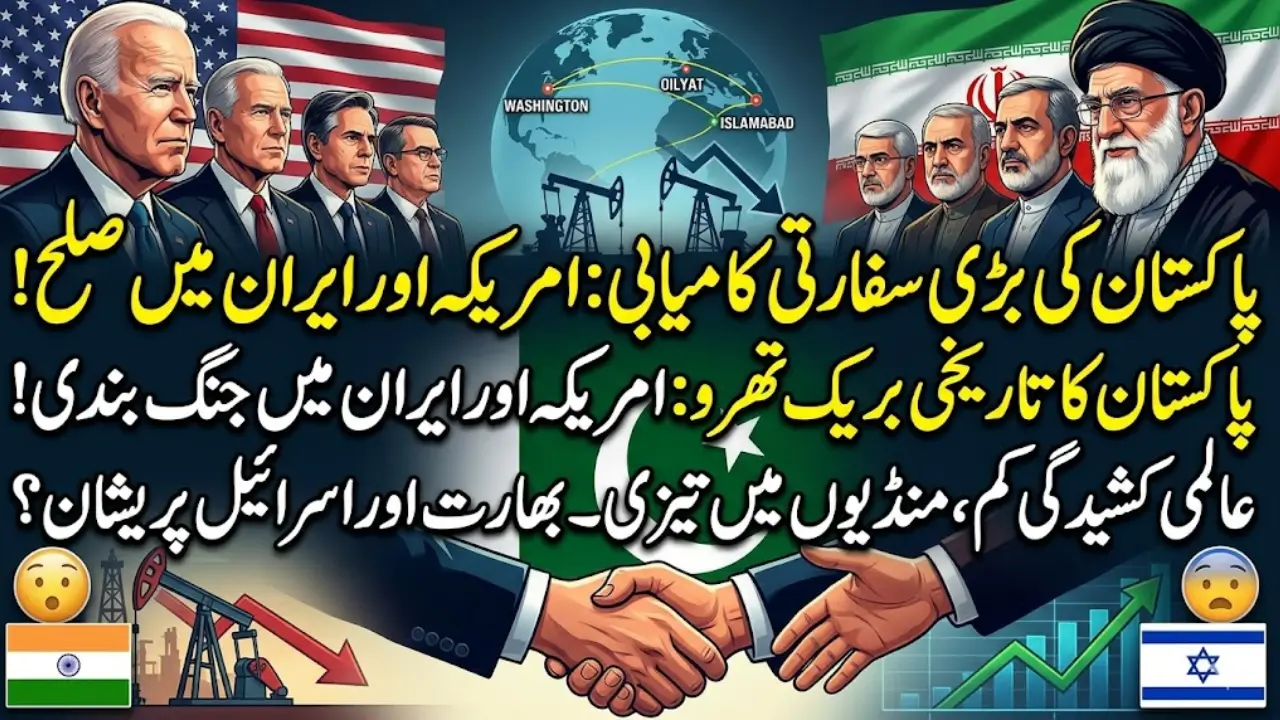
Pakistan has unexpectedly stepped into the global spotlight as a key diplomatic bridge between the United States and Iran. At a time when tensions were dangerously high, Islamabad played a central role in reducing conflict and opening the door for dialogue. This move has reshaped how regional power dynamics are being viewed.
The development is significant because Pakistan has traditionally been seen as a regional player rather than a global negotiator. However, its recent actions show a shift in strategy, placing diplomacy at the forefront of its foreign policy approach. This has not only caught global attention but also sparked strong reactions from India and Israel.
Rising US-Iran Tensions
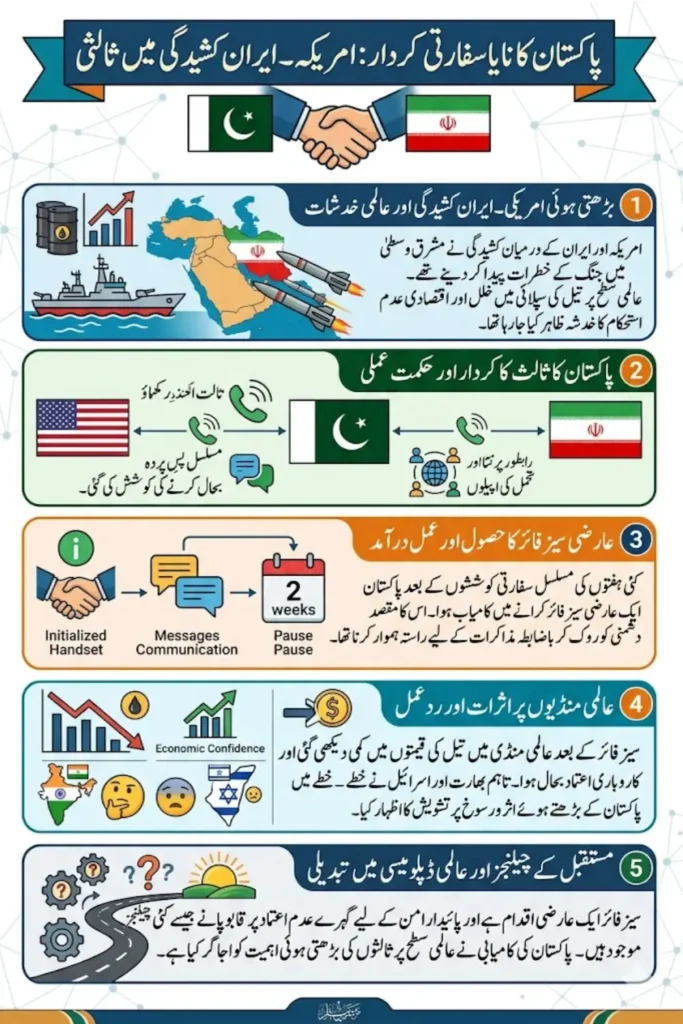
Tensions between Washington and Tehran had been escalating rapidly, with threats of military action raising fears of a wider Middle East conflict. Both sides were engaged in aggressive rhetoric, and the risk of miscalculation was high.
The situation created global concern due to its potential impact:
- Disruption in global oil supply
- Increased instability in the Middle East
- Risk of a broader international conflict
- Pressure on allied nations to take sides
Without intervention, the crisis could have escalated into a major war with global consequences.
You can also read: Oil Prices Likely to Drop 15% After US-Iran Ceasefire
Pakistan’s Role in De-escalation
Pakistan positioned itself as a neutral yet influential intermediary. Its diplomatic channels with both the United States and Iran allowed it to communicate effectively with both sides.
Key actions taken by Pakistan include:
- Maintaining continuous backchannel communication
- Urging restraint from both Washington and Tehran
- Coordinating quietly with regional partners
- Offering a neutral platform for dialogue
This balanced approach helped build trust and created space for negotiations to begin.
How the Ceasefire Was Achieved
The two-week ceasefire did not happen overnight. It was the result of intense diplomatic efforts led by Pakistan over several weeks. The goal was to pause hostilities and create an opportunity for structured talks.
Key Steps in the Process
| Step | Description |
|---|---|
| Initial Contact | Pakistan initiated dialogue with both sides |
| Confidence Building | Messages focused on reducing immediate threats |
| Backchannel Talks | Quiet negotiations avoided public pressure |
| Agreement Phase | Both parties agreed to a temporary ceasefire |
| Implementation | A two-week pause in hostilities was announced |
This structured approach allowed both sides to step back without losing face, which is critical in international diplomacy.
You can also read: NADRA introduces new Method for Children’s Form B
Regional Reactions: India and Israel
Pakistan’s emergence as a peace broker has triggered mixed reactions, especially in India and Israel. Both countries have strategic concerns about Iran and the broader region.
India’s Perspective
- Concerns over losing diplomatic influence
- Debate within strategic circles about regional positioning
- Surprise at Pakistan’s rapid diplomatic success
Israel’s Concerns
- Worry about reduced pressure on Iran
- Skepticism toward any agreement involving Tehran
- Preference for a more aggressive containment strategy
These reactions highlight how Pakistan’s role is reshaping existing power expectations.
Strategic Importance of Pakistan’s Position
Pakistan’s ability to act as a mediator is rooted in its unique geopolitical position. It maintains relationships with multiple key players, allowing it to operate where others cannot.
Why Pakistan Was Effective
- Strong ties with Gulf countries
- Working relationship with Iran
- Long-standing security cooperation with the United States
- Experience in handling complex regional issues
This combination made Pakistan a practical choice for mediation during a critical moment. Pakistan Surprises India and Israel after Iran-US Ceasefire
Global Market Response
The ceasefire had an immediate impact on global markets, particularly in the energy sector. Oil prices dropped sharply following the announcement, reflecting reduced fears of supply disruption.
Key Market Impacts
- Oil prices fell significantly below $100
- Investor confidence improved
- Reduced volatility in global markets
- Positive signals for economic stability
This shows how diplomatic developments can quickly influence economic conditions worldwide.
Challenges Ahead for Peace Talks
While the ceasefire is a positive step, it is only temporary. Many challenges remain before a lasting agreement can be achieved.
Major Obstacles
- Deep mistrust between the United States and Iran
- Ongoing military activities in the region
- Political pressures within both countries
- Risk of sudden escalation
Negotiations will require careful handling to ensure progress is not reversed.
What This Means for Global Diplomacy
Pakistan’s role signals a shift in global diplomacy, where middle powers can play decisive roles in resolving major conflicts. It also shows that influence is not limited to traditional superpowers.
Emerging Trends
- Increased importance of regional mediators
- Shift toward multi-channel diplomacy
- Greater reliance on backchannel negotiations
- Changing perceptions of global leadership
This could redefine how future conflicts are managed on the international stage.
Conclusion
Pakistan’s unexpected diplomatic success in facilitating a US-Iran ceasefire marks a turning point in global politics. It has demonstrated that strategic positioning and balanced diplomacy can create opportunities even in the most tense situations.
You can also read: Benazir Income Support Program by Rs. 5,000
While the long-term outcome remains uncertain, one thing is clear: Pakistan has re-established itself as an important player in international diplomacy. The coming weeks will determine whether this temporary pause can evolve into lasting peace, but the impact of this moment is already being felt across the world. Pakistan Surprises India and Israel after Iran-US Ceasefire